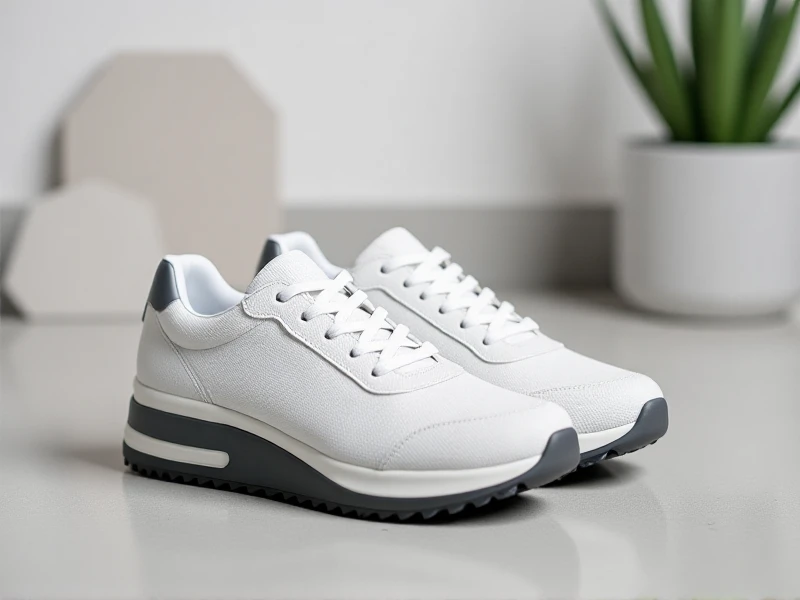
Find Your Perfect Fit: The Ultimate Athletic Shoes Guide
Selecting the right athletic shoes isn't just about style; it's foundational for performance, comfort, and injury prevention. Whether you're a seasoned marathon runner, a weekend gym warrior, or simply seeking superior comfort for daily walks, the perfect pair of athletic shoes makes a world of difference. Here’s your essential guide to unlocking peak performance and foot bliss.
Performance Dictates Design Athletic footwear is meticulously engineered for specific movements. Running shoes prioritize forward motion, offering cushioning that absorbs impact shockwave. Look for lightweight materials and responsive midsoles like EVA foam or TPU pellets that rebound energy. For court sports like basketball or tennis, lateral support and ankle stability are non-negotiable. These court-specific athletic shoes feature reinforced uppers, grippy outsoles for quick pivots, and often higher collars. Cross-trainers offer a versatile middle ground, suitable for gym circuits combining weights, agility drills, and light cardio.
The Comfort Equation: Fit & Feel Forget squeezing into trendy sizes. The ideal fit allows roughly a thumbnail’s width of space between your longest toe and the shoe’s end. Your heel should sit snugly without slippage. Consider your foot arch:
- Low arches (flat feet) often benefit from structured motion control athletic shoes to prevent excessive inward rolling (overpronation).
- Neutral arches are generally versatile but still need adequate cushioning.
- High arches require shoes with significant cushioning and potential flexibility to support the natural foot shape. Breathability is key! Opt for engineered meshes to keep feet cool and dry during intense sessions.
Cushioning & Support: The Dynamic Duo Modern cushioning technologies aren't just soft – they’re smart. Air units, gels, foams, and waveplates work synergistically to manage impact forces efficiently. Support features involve midsole posts (firmer foam) and structured heel counters stabilizing the foot. Remember: adequate support reduces fatigue and lowers injury risk during repetitive movements.
Activity Alignment is Crucial Wearing running shoes for tennis courts? Bad idea. Using minimalist trail runners for road running? Also risky. Match your athletic shoes precisely to the activity:
- Road Running: Lightweight, cushion-intensive.
- Trail Running: Aggressive tread, protective uppers, rock plates.
- Walking: Flexible forefoot, comfortable cushion, heel-to-toe drop.
- Gym/Cross-Training: Stable base, durable upper, flat sole patterns.
- Court Sports: Non-marking soles, lateral containment, ankle support.
- Sport-Specific: Soccer cleats or golf spikes have entirely unique designs.
Don't Ignore the Replacement Signal Even the best athletic shoes wear out. Track mileage or monitor signs: compressed cushioning that doesn’t rebound, worn-out tread patterns, upper breakdown, or persistent aches after activity. Replacing worn shoes every 300-500 miles is vital for maintaining performance and protecting your feet and joints.
Investing time in finding the right athletic shoes tailored to your feet and fitness routine unlocks greater comfort, enhanced performance, and a more enjoyable, injury-free active life. Step into your potential!